
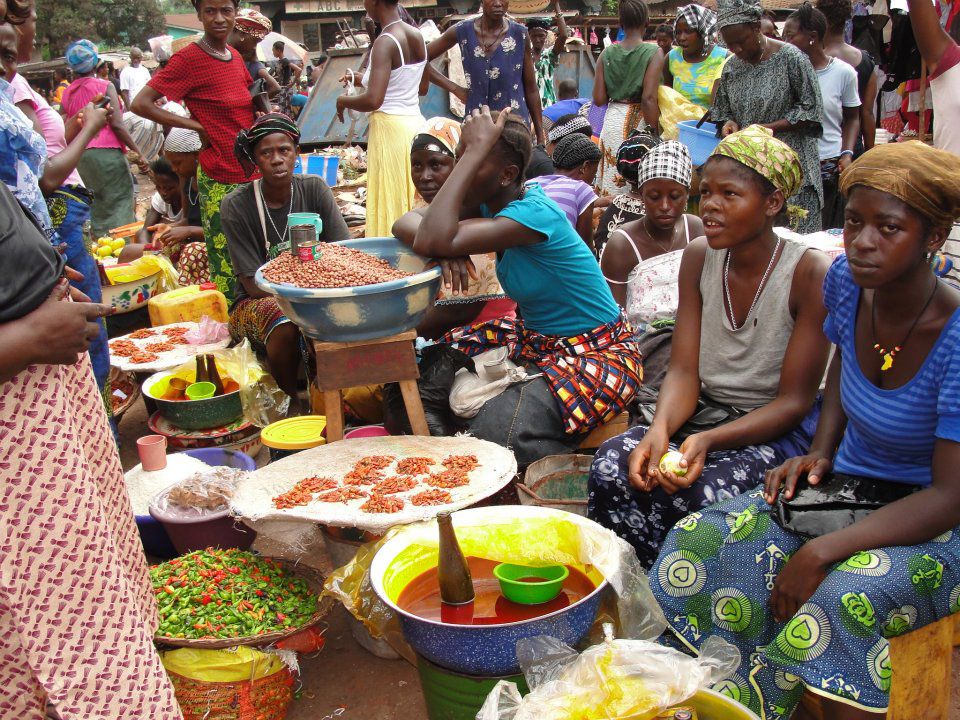
According to a report by the Women in Informal Employment: Globalizing and Organizing (WIEGO), approximately 850,000 Ghanaians, predominantly women, were plunged into extreme poverty in 2022. This was attributed to various factors such as soaring government debt levels and the shutdown of international markets to Ghana, among others.
Research conducted in October 2023 revealed that although Ghana experienced a modest recovery from the COVID-19 pandemic in 2021, the majority of the 850,000 affected Ghanaians became vulnerable to inflationary pressures.
This vulnerability resulted in a cost-of-living crisis, exacerbating their already precarious financial situations.
“While the economy had slightly recovered from the pandemic in 2021, high levels of government debt, the closure of international markets to Ghana, and global disruptions to the supply chain as a consequence of the war in Ukraine all led to a steep depreciation of the cedi (ITA, 2023).
“Considering the country relies heavily on imports, the situation resulted in high inflationary pressure. In 2022, nearly 850,000 Ghanaians were pushed into poverty due to rising prices (Kwakye et al., 2023: 44).
“By the time this research was conducted (October 2023), the inflation rate averaged 35 per cent. It was particularly high for food and non-alcoholic beverages (+45), and other necessities like health services (+28), housing, water and electricity (+25), transport (+25), and education (+13) (GSS, 2023a:7).”
The report uncovered that the cost-of-living crisis disproportionately impacts workers in informal employment, constituting 89 percent of the employed population nationally (83 percent in Accra).
It highlighted that a significant number of workers in informal employment lack access to crucial safety nets, including pension and poverty relief programs, cash transfers, and microfinance schemes. This lack of access leaves them especially susceptible to economic shocks and exacerbates their financial instability.
STORY BY; PORTIA AKU SHIKA GAFAH